Lifetime planning for families
Plan beyond your lifetime.
Understand what your child may need, what may already be covered, and what you can do now to prepare.
You don't need to know everything. We'll start with what you know today, and you can change your assumptions anytime. No signup before starting.
Free to use · No email required · No gated results · Sponsors don't influence your plan
Sample plan
Alex, age 10Estimated amount the family may need to provide
$4.46M
- Estimated lifetime support
- $5.56M
- Potential benefits & programs
- − $674K
- Expected income & existing resources
- − $428K
This is a planning estimate, not a prediction. You can clear the sample at any time.
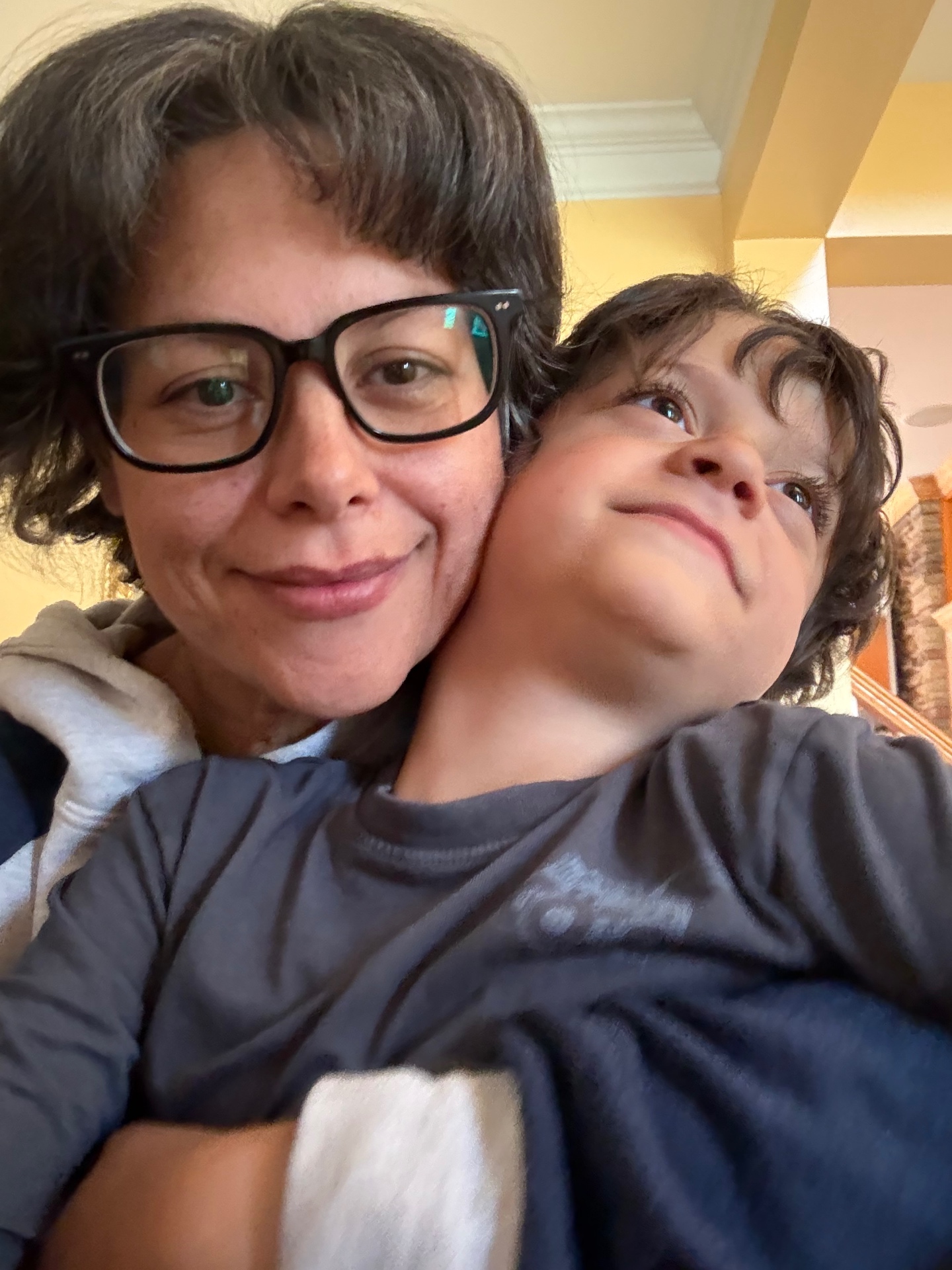
Why I built Continuity
This is me and my son, Roggie.
Before having him, I was always focused on my career, getting promoted, and where I was going in the next 12 months.
Living with profound autism taught me that you have to dream and plan in decades.
I started thinking differently about the future. What will his life look like when he's 20? 30? 50? What will he need? What can I put in place now? How do I know whether I'm moving in the right direction?
This is the information I needed to feel safe and assured that I was moving in the right direction for the future I want for my son.
It's here so you can do the same.
Best wishes, prayers and good tidings to us all.
Nadia
Roggie's mom
Why Continuity is free & how we support it →What Continuity answers
Six questions, taken one at a time.
- 01
What might they need across their lifetime?
- 02
What might that cost?
- 03
What resources, income, benefits or programs could offset those costs?
- 04
What may still need to be provided by the family?
- 05
Where is the current plan vulnerable?
- 06
What can be done now to strengthen it?
Open by default
Use the calculator, see your results, inspect every assumption and read every recommendation without an account.
Show the work
Each figure is labelled known, estimated or unknown, so you always see where a number came from.
Risk without fear
We name what is missing and what would reduce the risk — no scores, no alarms, no manufactured urgency.